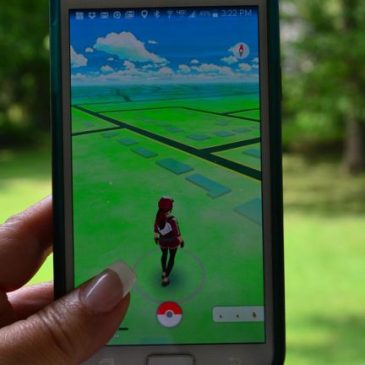
Top tips on how to use Pokémon GO safely

In case you’ve been living in a cave recently, and have managed to avoid being bombarded with social media posts and news stories about Pokémon GO, you can probably stop reading right now. But if you’re one of the untold millions of people around the world who have downloaded this location-based augmented reality mobile game, … More Top tips on how to use Pokémon GO safely
3 recommendations that can make your applications safer

In today’s fast-paced world, software developers are often pushed to their limits, especially when it comes to working on projects with strict deadlines (and often commissioned at short notice). These “quick deliveries” come with a price though, as unwanted flaws and vulnerabilities may sneak into the code. But there are ways of mitigating these risks, … More 3 recommendations that can make your applications safer

Android AdDisplay using anti-bouncer technique

One of the most common ways of spreading Android malware – including malware found on the official Google Play Store – is by masquerading as a legitimate popular application. The last such example that we discussed on WeLiveSecurity was a fake Dubsmash app and Android/TrojanDropper.Mapin compromising tens of thousands of users’ devices. In order to help make … More Android AdDisplay using anti-bouncer technique

Apple removes hundreds of malicious apps after major malware attack

Apple has removed more than 300 malware-infected apps after confirming the first major breach to its iOS app store, reports The Guardian. The company confirmed on Sunday that it was cleaning up the store after finding a malicious program, dubbed XcodeGhost, was embedded into hundreds of legitimate apps. The malicious code was concealed in a counterfeit … More Apple removes hundreds of malicious apps after major malware attack

Mastercard trials selfies as password replacement

A new app could see Mastercard accepting selfies instead of passwords to make purchases online. The trial will involve users taking a selfie using a Mastercard app on their smartphone, then using this at the checkout point of purchase, rather than a password, reports the Daily Telegraph. Mastercard customers currently have to use the SecureCode … More Mastercard trials selfies as password replacement