
Irish computer users are on the receiving end of another nasty spam. Pretending to be from the Bank of Ireland it claims users will receive a new credit card, but that they will also have to activate their current one online if they wish to continue using it.
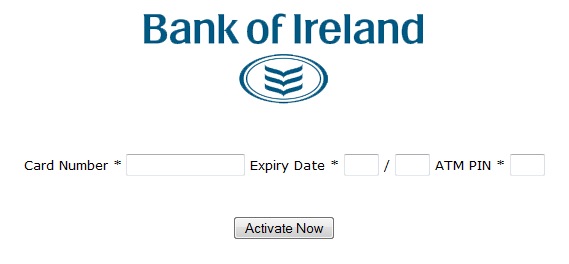
Attached is a supposed “activation” information file, which displays the form on the picture above. Clearly typing anything there and clicking “Activate Now” sends your card data straight to the cybercriminals for use and abuse, but a responsible computer user wouldn’t even get this far, because he/she wouldn’t click on the attachment. If, however, the attachment was opened, remember to never ever give your card details away. No bank will EVER ask you to “activate” anything in an email.
Here’s the full text of the spam mail:
You will soon receive a new Credit Card

It replaces your current Credit Card.

Dear Member,

To protect you and your credit, Bank of Ireland is constantly
monitoring accounts for fraudulent activity.
During a recent security review, we identified your credit card
number as being at risk for unauthorized charges.

Your account security is a top priority for us, so we are taking
the proactive step of issuing you a new credit card.

Your new credit card should arrive in the mail in the next 7-10
bussines days. As soon as you receive it, activate it
immediately, then destroy your current card.

To continue using your current card untill the new card will
arrive in the mail please download and complete the form
attached to this email.

Bank of Ireland 365 Online Security Information.htm

Thank You
Jan A - Bank of Ireland Security Department
The newer twist is mainly in the cybercriminals’ using concerned language “we identified your credit card number as being at risk for unauthorized charges” and “Your account security is a top priority for us, so we are taking the proactive step of issuing you a new credit card.”, which is actually playing the card of raised awareness about computer security. Since IT security experts’ efforts are focused at raising awareness about online dangers, the bad guys have recognised computer users are paying more attention to their safety and so a message that appears like a security advisory from a “Security Department” is more likely to be followed.
Stay safe online – think before you click!
 ESET Ireland
One thought on “CyberThreats Daily: A new twist on an old scam”